Items for Resell: How to Build a Profitable Business


You’re standing in a room full of stuff that could pay for itself if you pick the right lane. A jacket, a pair of sneakers, an old camera lens, a sealed LEGO set, a designer bag, they all look like clutter until you price them against buyer demand, fees, and the time it takes to move them. That’s the core challenge with items for resell, not finding “something that sells,” but finding inventory that sells safely, fast enough, and with enough margin left after the work.
The market is already signaling that secondhand is no side story. By 2023, 163 apparel brands had resale programs, up 31.5% from 2022, and nearly two-thirds of retailers offering resale said secondhand is integral to long-term growth, according to Capital One Shopping’s resale research. On the buyer side, 47% of shoppers say they consider resale value before buying, and 26% are less likely to buy apparel without strong resale value, rising to 41% among Gen Z and millennial shoppers in the same research. That means smart reselling starts earlier than commonly perceived, at the moment somebody else buys the item new.
Table of Contents
- 1. Back Market
- 2. StockX
- 3. Vestiaire Collective
- 4. BrickEconomy
- 5. PriceCharting
- 6. MPB
- 7. Vinted
- Top 7 Resale Marketplaces Comparison
- Final Thoughts
1. Back Market
Back Market fits sellers who want refurbished electronics with a repeatable, spec-driven workflow. The strongest use case is flagship phones, especially when you can sort inventory by storage, condition, battery health, and repair history instead of treating every unit like a one-off mystery box. Visit the platform at Back Market.
The category makes sense because electronics buyers expect structured comparisons. A refurbished iPhone is easier to price when the listing can standardize the exact model, cosmetic grade, and warranty terms, and that kind of consistency is what helps resellers build a system instead of improvising every sale. If you’re already running multiple sales channels, cloud-based order management becomes useful because it reduces the friction of tracking inventory that needs fast repricing and clean fulfillment.
Why this channel works
Back Market is strongest when you’re buying with a spreadsheet mindset. The same model can move through the pipeline repeatedly if your sourcing is disciplined and your grading is honest, which is why refurbished smartphones are often treated like structured SKUs rather than unique collectibles. That structure also makes it easier to compare your buy price against what the market already accepts.
Practical rule: keep your attention on repeatable models, not random gadgets. When the item, condition, and repair quality can be described the same way every time, pricing gets easier and mistakes get cheaper.
Pros and risks
- Fast turns on the right models: common flagship phones tend to price cleanly when your buy cost is in line with comparable listings.
- Simple multichannel logic: structured specs help you list, reprioritize, and relist without rewriting every description.
- Warranty expectations matter: buyers of refurbished tech expect a level of confidence that casual thrift categories don’t always require.
- Quality control is unforgiving: counterfeit parts, hidden repair history, and return friction can compress margins quickly.
The best operators treat Back Market as a disciplined workflow, not a treasure hunt. If you can source consistently, grade consistently, and ship consistently, refurbished phones can become one of the clearest items for resell in a professional operation.
2. StockX
A pair of sneakers can look like a simple buy until you check the size curve, the colorway, and whether the release is still fresh enough to move fast. StockX is built for that kind of decision. It suits sellers who read sneakers as data, not just style, especially for Nike, Jordan, adidas, and New Balance pairs. Start with StockX if you want a marketplace that makes pricing feel closer to trading than guessing.
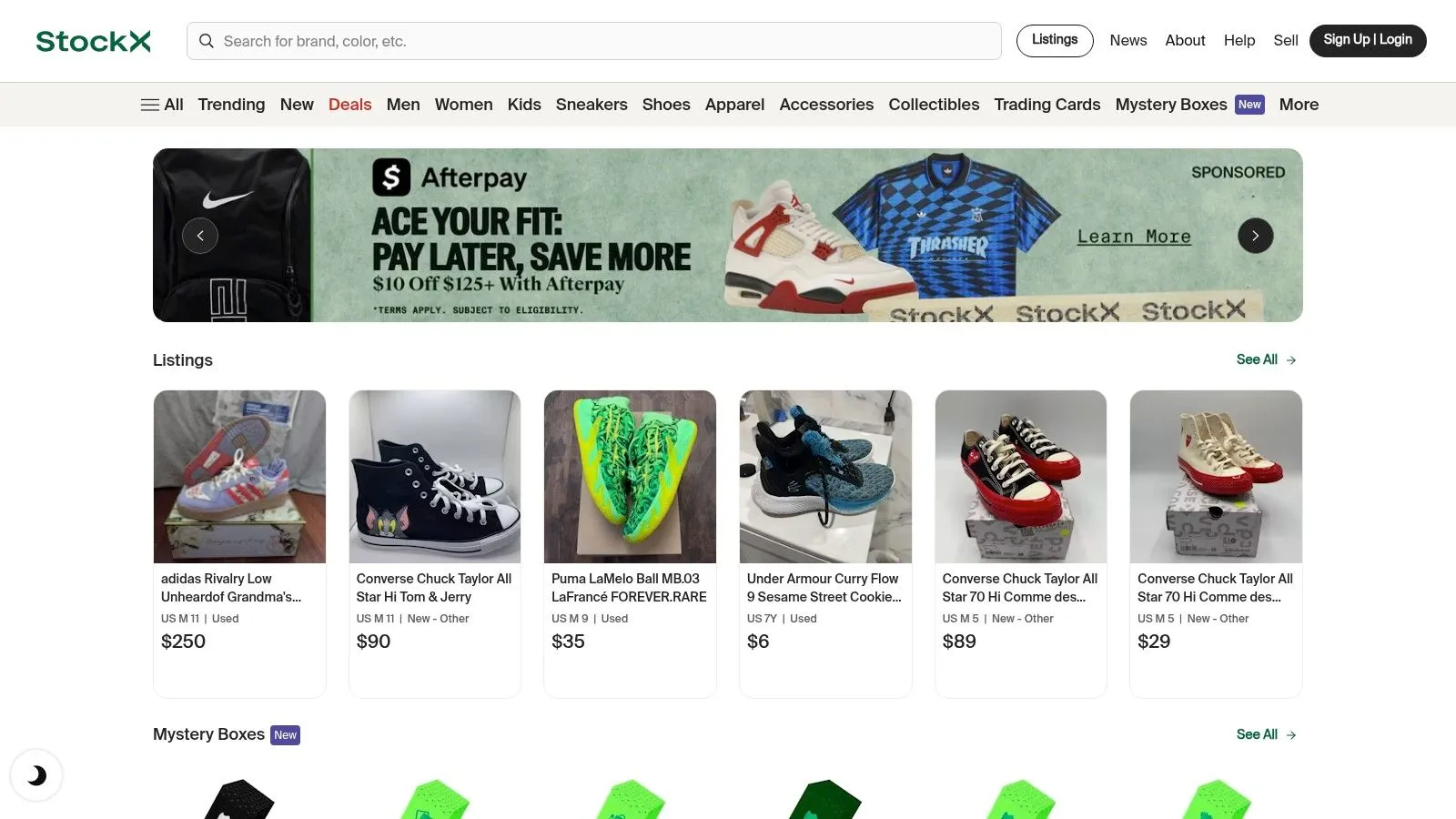
The advantage is that you can see where demand is moving before you commit to inventory. That matters because sneaker resale often depends on release windows, restocks, and short bursts of attention. If you wait until the market cools off, a pair that looked promising can turn into tied-up cash. For a broader example of how resellers decide what is worth buying, this guide to good eBay flips shows how market movement shapes sourcing choices across categories.
Reading the market before you buy
StockX works best when you use it like a pricing desk. Check the comps, compare size runs, and look at whether the model is still getting active bids or just sitting on the page. That small habit keeps you from buying into excitement that has already passed.
The category-level demand data is useful because it shows how differently products behave. On a market snapshot, sneakers and shoes were marked “very high” demand with average sale prices of $65-$180 and fast turnover, while video games and consoles were also labeled “very high” demand at $35-$300 with fast turnover, according to this resale category guide. The same guide places designer handbags at $50-$500 buy-in and $300-$5,000+ resale, which helps show the tradeoff between speed and margin.
Buy where the comp is obvious and sell before fashion fatigue sets in. Sneakers reward sellers who know the release calendar and who can verify authenticity without hesitation.
Pros and risks
- High sell-through on strong SKUs: the right pair can move quickly because buyers already know the model they want.
- Clear pricing signals: size and colorway make the listing more precise than many fashion categories.
- Portable inventory: shoes are easier to store and ship than bulky goods.
- Volatility is real: prices can swing hard around launches and restocks.
- Counterfeit risk is constant: authentication is part of the job, not a side task.
StockX is useful for sellers who want a category with visible comps and clear buyer intent. It works especially well when your sourcing is disciplined and your judgment is tied to the market, not to hype.
3. Vestiaire Collective
Vestiaire Collective fits sellers who work with luxury handbags and small leather goods that can keep their value over time. Buyers on the platform expect authentication, condition clarity, and brand-level precision, so each listing has to read more like a luxury product file than a casual secondhand post. Go directly to Vestiaire Collective.
A useful way to approach this category is to treat the item as a documented asset, not just a piece of fashion. A Hermès, Chanel, or Louis Vuitton bag can justify the time spent on authentication, close-up photography, and careful wording because the value per item is high enough to support that work, but only when the item is genuine and described accurately. That makes this channel a better fit for sellers who are comfortable checking details, keeping records, and waiting through longer buying decisions.
The broader resale market shows why this channel keeps drawing attention. The global secondhand and resale apparel market was estimated at $256 billion in 2025 and was projected to rise by more than $100 billion by 2029, according to Statista. That growth does not mean every handbag or coat will sell, but it does show how large professional secondhand selling has become.
One practical difference on Vestiaire Collective is that condition is part of the product itself. A bag with clean corners, intact hardware, and clear proof of care is easier to price well than one that only has a strong logo. Buyers here tend to compare small details the way a jeweler compares stones, under close light and with little patience for vague descriptions.
Pros and risks
- High average selling prices: one successful sale can justify the time spent on curation and verification.
- Lower fashion obsolescence: classic luxury styles often outlast trend-driven apparel.
- Buyer trust is built into the platform: that helps when the item is expensive and harder to evaluate.
- Authentication risk is serious: a mistake can become a return, a dispute, or worse.
- Cash is tied up longer: expensive stock takes more patience than fast-moving basics.
Luxury resale works best when you buy with model knowledge, not just brand recognition. A seasoned seller watches hardware, year, condition, and niche desirability, because those details often separate a good purchase from a dead one.
4. BrickEconomy
A seller standing in front of a closet full of sealed LEGO boxes faces a different problem from someone listing clothes or electronics. The items are compact, they store well, and they do not spoil, but the question is whether the set has enough collector demand to justify waiting. BrickEconomy helps with that by putting pricing and retirement data in one place, so you can judge both current value and likely future interest at BrickEconomy.
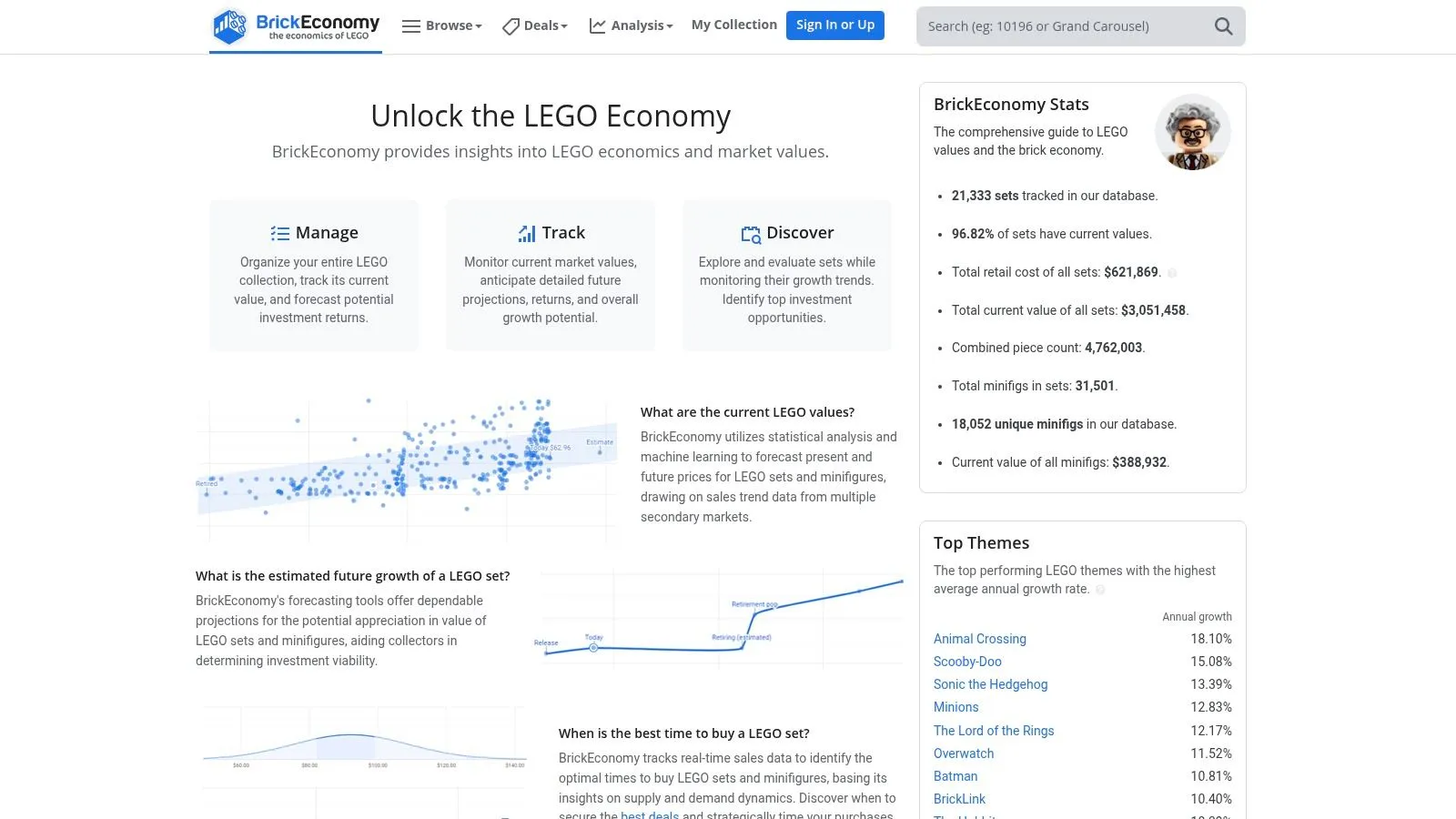
The appeal is practical. A sealed box takes up little room, ships cleanly, and can sit on a shelf while you watch the market. That makes LEGO easier to manage than apparel or sneakers, where size, wear, and presentation can complicate every sale. For many sellers, that storage advantage is why LEGO becomes one of the clearer items for resell categories to learn.
Timing matters more than impulse buying
BrickEconomy is most useful when you treat LEGO as a timing problem, not a guessing game. Sets tied to themes like Star Wars, Icons, Ideas, and Technic can draw collectors, but a recognizable theme does not guarantee appreciation, and some boxes need a long hold before the market responds. The retirement calendar and pricing index work best together, because one shows when supply may tighten and the other shows how the set has been moving.
A sealed set can still be a weak purchase if the entry price is too high. A seller who buys only because a box looks popular is making the same mistake as someone who buys stock on brand name alone. The better approach is to look for a clean entry, then hold only when the set has real collector pull.
Don’t assume every boxed set is a future winner. The better play is to buy when the market gives you a clean entry and to hold only when the set has real collector pull.
Pros and risks
- Compact inventory: easy to store, move, and ship.
- Data-friendly buying: indices and retirement dates help you avoid blind purchases.
- Wide selling options: eBay, BrickLink, and direct collector sales can all work.
- Condition sensitivity: box corners, seals, and storage quality all affect value.
- Counterfeit vigilance matters: sealed collectibles still need verification.
LEGO works when you treat the box like an asset with a timeline. That mindset keeps you from overbuying sets that look exciting today but will not justify the hold later.
5. PriceCharting
A game seller can be holding the right item and still miss the sale if the listing is vague. PriceCharting helps prevent that kind of mistake because it is built around the details collectors check, such as region, edition, and condition. Use PriceCharting before you buy if you want a reference point for consoles, games, and complete-in-box copies.
Gaming inventory behaves differently from many other resale categories because the buyer is often already shopping with a specific target in mind. A person looking for a particular console generation or franchise title usually knows the exact version they want, which makes the listing more precise than categories where style or fit creates extra uncertainty. The flip side is that small details carry real weight. A disc with visible wear, a different region code, or a repro cart can turn an item that looks promising into one that is hard to move.
A clean listing starts with exact identification. Console model, edition, region, and packaging all shape what buyers accept, so a seller who skips those details leaves room for confusion and returns. PriceCharting helps narrow that gap by giving you a value reference before you spend money, almost like checking the label before putting a book on the shelf. That way, you are pricing against the right version instead of guessing from a similar-looking one.
A practical example helps here. A standard release, a special edition, and a regional variant may share the same title, but buyers do not treat them the same way. The box, the seal, and even the platform revision can change whether a listing feels trustworthy.
Use the spec, not the hope
The safest game flips begin with the spec sheet, not with excitement about a recognizable title. A seller who knows the exact model, region, and condition can write a listing that answers the buyer’s first questions right away. That matters because collectors often compare several copies side by side, and small gaps in the description can push them toward a clearer listing.
PriceCharting gives you a way to verify those details before you commit. It does not remove the need to inspect the item, but it helps you avoid buying a copy that only looks valuable at first glance. For used games and hardware, that habit saves time and cuts down on avoidable mistakes.
Pros and risks
- Good fit for mainstream titles: popular games and hardware can move quickly when priced right.
- Collector logic is visible: region and edition details are easy to compare.
- Helpful for sourcing discipline: you can check values before committing capital.
- Reproduction risk exists: counterfeit cartridges and discs can destroy confidence.
- Margins move fast: deep inventory can age badly if prices soften.
If you want a category that rewards exactness, video games are a strong place to learn. The sellers who do well here usually know the difference between a generic listing and one that speaks to the collector immediately.
6. MPB
A used camera body can look fine in photos and still be a poor buy if the shutter count is unknown or the lens has hidden haze. MPB is built for that kind of problem. It focuses on used camera bodies and lenses, so the buyers and sellers on the platform usually care about the same checklist, condition, specs, and whether the gear still performs the way it should. Use MPB if you want a specialist marketplace with a formal used-camera ecosystem.
Why camera gear behaves differently
Photography gear sits in a useful middle ground. The value is high enough that careful grading pays off, but the products are common enough that the same bodies and lenses appear again and again. That makes the category easier to systematize than one-off collectibles, because you can build a repeatable process around the models that keep showing up.
A lens with clean glass and a body with a well-documented condition report usually moves faster than vague, broad listings. Buyers in this category already know the difference between a standard kit lens and a higher-end prime, so the listing has to answer practical questions quickly. Model, mount, cosmetic wear, and functional notes do more work here than generic sales language.
The best inventory often keeps residual value because the buyer pool understands brand and model differences. That does not mean every lens is an easy profit. It does mean a clear listing can stand out quickly when the equipment is clean, accurately described, and priced with some care.
Practical rule: verify before you buy. Shutter count, lens clarity, and body condition separate a straightforward flip from a support headache.
A simple example makes the difference easier to see. A mirrorless body with a missing charger may still be worth sourcing if the price leaves room for replacement parts and a clean resale. A lens with fungus, haze, or a sticky aperture usually belongs in the avoid pile, because cosmetic cleanup does not fix optical problems. That kind of screening is what keeps camera inventory manageable.
Pros and risks
- Professional buyer base: buyers tend to know what they are looking at.
- Strong repeatability: certain cameras and lenses reappear often enough to build a sourcing rhythm.
- Trade-in logic can help: lower net acquisition cost can improve your margin.
- Condition disputes happen: grading mistakes are costly.
- Higher capital is required: each unit ties up more cash than low-ticket apparel.
MPB suits sellers who prefer fewer, better items over a pile of low-value stock. If you can inspect carefully, describe gear plainly, and price conservatively, camera equipment can become a reliable professional lane.
7. Vinted
A seller with a closet full of branded jackets, vintage denim, and kidswear often finds Vinted easier to work with than a broader general marketplace. The platform fits inventory that can be photographed quickly, described clearly, and rotated as seasons change. Use Vinted when you want access to a large secondhand fashion audience without needing a complex setup.
The practical advantage is simple. Apparel listing quality depends on fit, fabric, and condition, so a seller who keeps measurements, photos, and descriptions consistent can move items faster than someone who treats each upload like a one-off. A sale by photo workflow helps here because it turns the photo step into the main listing step, which cuts repetition when you have many similar garments. That matters most for sellers managing larger lots, where small delays add up across the whole rack.
One useful way to think about Vinted is as a marketplace for repeatable process, not just repeatable inventory. A clean photo set, a clear size note, and a short condition summary do more work than a long product story. For example, a plain wool coat with visible measurements and a note about pilling is easier to price than a vague listing that only says “good condition.” That difference is what makes volume possible without creating confusion for buyers.
Apparel resale also benefits from buyer familiarity. Fashion shoppers already expect to compare fit, brand, and wear, so the seller’s job is to reduce uncertainty rather than oversell the item. As noted earlier, resale has become a normal part of shopping behavior, which helps explain why clothing remains one of the most active items for resell categories. Sellers who keep their sourcing focused can use that demand without needing to chase every trend.
Practical strengths and watchouts
- Works well for repeat uploads: similar garments can be listed in a steady rhythm.
- Low unit cost helps testing: you can try brands, sizes, and styles without committing too much capital.
- Seasonal inventory fits the platform: outerwear, basics, and kidswear often benefit from timed listing.
- Fit questions take time: measurements and garment notes are part of the job.
- Higher-end pieces need extra care: luxury apparel still requires careful checks and accurate descriptions.
Vinted suits sellers who can stay organized and keep their workflow consistent from one item to the next. If your process is tight, the platform gives apparel inventory a broad audience without asking you to overcomplicate the sale.
Top 7 Resale Marketplaces Comparison
| Platform | 🔄 Implementation Complexity | ⚡ Resource Requirements | ⭐ Expected Outcomes | 💡 Ideal Use Cases | 📊 Key Advantages |
|---|---|---|---|---|---|
| Back Market | Moderate, structured grading, warranty workflows | Moderate, smartphone inventory, returns handling | ⭐⭐⭐⭐, Predictable ASPs; fast turns if priced to comps | Scale refurbished flagship smartphones with multichannel repricing | Structured specs & grading, warranties, deep EU demand |
| StockX | Medium, authentication and drop timing processes | Low-Medium, portable SKUs but cross-border costs | ⭐⭐⭐⭐, High sell-through on right SKUs; price volatility | Hype sneakers/streetwear sellers using comps and trend data | Transparent comps, strong SKU-level signals, authentication |
| Vestiaire Collective | Medium-High, authentication & escrow; luxury compliance | High, capital tied to high-ASP items; careful listings | ⭐⭐⭐⭐, Large per-item margins; slower for niche pieces | Selling authenticated luxury handbags/SLGs to trusted buyers | High ASPs, buyer trust, model-level comps and filters |
| BrickEconomy | Low, data-driven timing tools (indices, calendars) | Low-Medium, small, durable inventory; storage minor | ⭐⭐⭐, Long-term appreciation possible; variable returns | Planning pre/post-retirement LEGO strategies and holds | Price indices, retirement calendars, collector demand signals |
| PriceCharting | Low-Medium, use live indexes and spec-based listings | Low-Medium, games/hardware stock; region/condition checks | ⭐⭐⭐⭐, High velocity for mainstream titles; quick turnover | Sourcing and pricing video games and retro hardware | Transparent regional pricing, live indexes, spec guidance |
| MPB | Medium, grading/verification (shutter count, optics) | High, higher capital per camera body/lens unit | ⭐⭐⭐⭐, Strong residual values for sought-after gear | Professional used camera trading and trade-in strategies | Public price index, trade-in ecosystem, pro buyer base |
| Vinted | Low, high-volume listing workflow; photo/measurement effort | Low, low unit costs but labor-intensive prep; returns risk | ⭐⭐⭐, Steady sell-through on staples; seasonal patterns | High-volume apparel resellers, bundles, seasonal rotation | Massive buyer base, platform data by country, scale opportunities |
Final Thoughts
The best items for resell aren’t just the ones with the highest sticker price. They’re the ones that fit your capital, your labor, your risk tolerance, and the channel where they move. A refurbished phone, a luxury bag, a sealed LEGO set, a pair of hype sneakers, or a used camera can all be good inventory, but only if the listing rules, return risk, and buy price make sense before you commit.
The biggest missed opportunity in resale isn’t demand, it’s discipline. Professional sellers win by checking whether an item can be sold safely, whether the platform is the right fit, and whether the margin survives fees, shipping, and time. That’s why category choice should always be tied to operational reality, not just what looks popular on a marketplace feed.
The broader market supports that mindset. Resale is now built into retail behavior, with shoppers and retailers both treating secondhand as part of long-term growth, not just clearance. In practical terms, that means the strongest sourcing strategy is usually the one that combines demand data, product knowledge, and a repeatable process you can run every week.
If you’re scaling beyond a few casual listings, software starts to matter. Ruit is built for professional secondhand sellers who need sourcing, inventory, multichannel publishing, pricing, messages, and orders in one operational flow, making it easier to manage resale as a business instead of a side project.
If you want to turn reselling into a repeatable system, explore Ruit and see how it supports sourcing, multichannel listing, stock sync, and order management for professional secondhand sellers. It’s built for the day-to-day work behind profitable items for resell, especially when you’re handling volume across more than one marketplace.